Dredged Material Recovery and Circular Construction Products
The Opportunity
Across ports, waterways, rivers and navigation channels, millions of tonnes of dredged material are removed each year to maintain safe navigation, flood resilience and operational efficiency. Traditionally, much of this material is treated as waste, requiring costly transportation, handling and disposal programmes that create significant financial and environmental burdens.
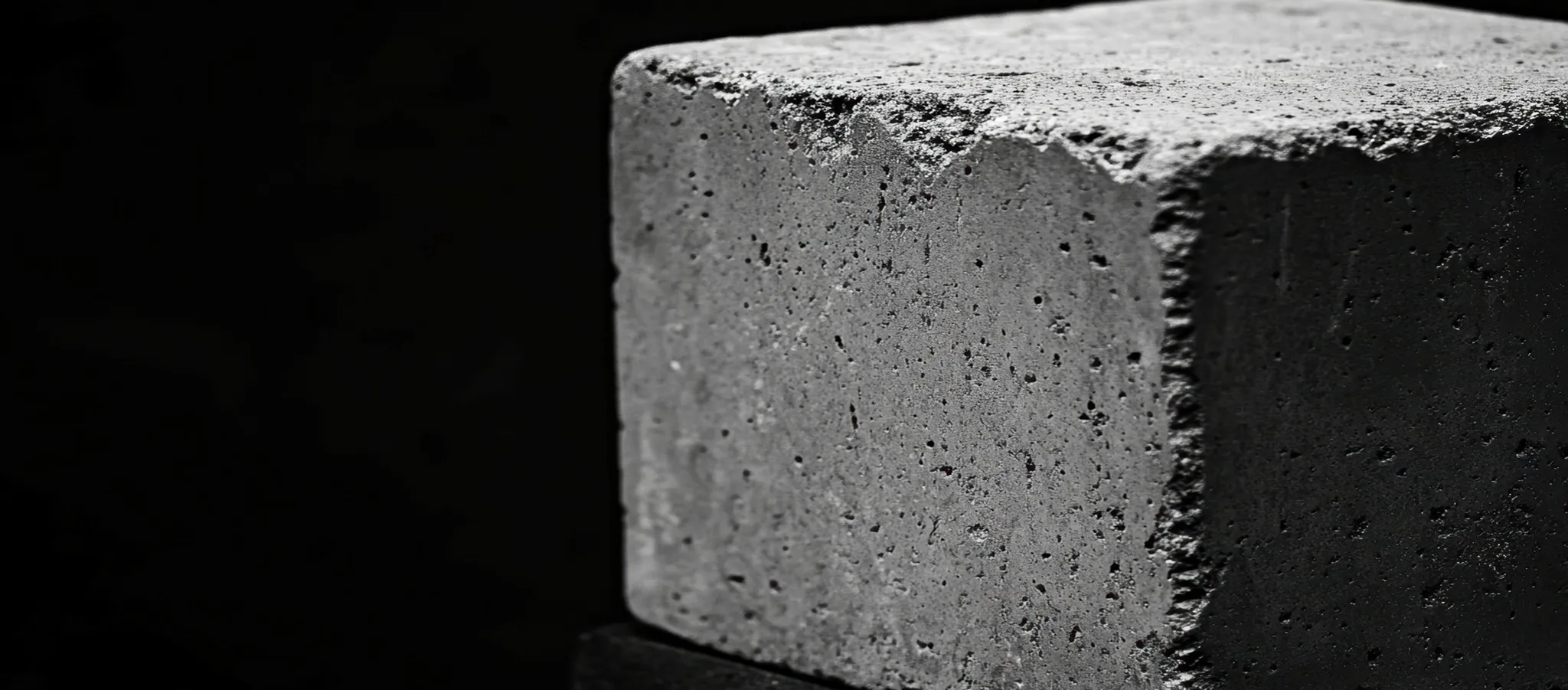
GreenAi is evaluating and supporting models that transform dredged materials from a disposal liability into a valuable resource through cleaning, stabilisation and re-engineering processes that enable the production of commercially useful construction and infrastructure products. One of the most compelling applications involves the manufacture of engineered pozzolanic blocks and construction materials produced directly from recovered dredged sediments and associated mineral content. Unlike traditional clay bricks, these products can be manufactured without energy-intensive kiln firing, significantly reducing both production costs and associated carbon emissions.
A key advantage of this approach is the ability to establish processing and manufacturing operations close to, or directly adjacent to, dredging locations. Rather than transporting large volumes of wet dredged sludge considerable distances inland for treatment or disposal, material can be processed at source and converted into saleable products at or near the point of extraction.
This creates multiple layers of environmental and economic value. Firstly, disposal costs can be dramatically reduced as significant volumes of material are diverted away from landfill, containment facilities or other disposal routes.
Secondly, transportation requirements are materially reduced. Given that dredged material often contains a high-water content, transportation represents a substantial component of both cost and environmental impact. Producing construction materials close to the source can eliminate thousands of truck movements, reducing fuel consumption, traffic congestion, infrastructure wear and associated greenhouse gas emissions.
Thirdly, the resulting pozzolanic construction products may displace more carbon-intensive traditional building materials. The avoidance of kiln firing, combined with the beneficial reuse of recovered material, can create measurable carbon savings throughout the product lifecycle.
In certain circumstances, these carbon reductions may be quantifiable and capable of supporting environmental asset creation, carbon-related reporting or sustainability-linked programmes. The model also supports broader circular economy objectives by converting an operational waste stream into a productive asset, extending material life cycles and creating new local supply chains linked to infrastructure, construction and environmental remediation projects.
Importantly, the approach aligns environmental improvement with commercial outcomes. What has historically been viewed as a recurring maintenance cost and disposal challenge can potentially become a revenue-generating activity through the production and sale of construction products, environmental attributes and associated sustainability outcomes.
Strategic Value Drivers
Conversion of dredged material from waste into a commercially valuable resource
Significant reduction in disposal and landfill costs
Reduced transportation requirements through near-source processing and manufacturing
Lower carbon emissions through the avoidance of long-distance sludge transportation
Production of engineered pozzolanic blocks and construction materials
Elimination of traditional kiln firing requirements and associated energy consumption
Improved waterway maintenance economics
Cleaner waterways and enhanced environmental stewardship
Creation of circular economy value from legacy waste streams
Potential generation of measurable carbon reductions and environmental attributes
Development of local employment and processing ecosystems around dredging operations
New revenue opportunities from construction products and sustainability-linked outcomes
Why This Matters
Dredging is often viewed purely as a necessary operational expense. However, when combined with modern material recovery and re-engineering technologies, dredged sediments can become the foundation of a circular economy model that simultaneously reduces costs, lowers emissions, improves environmental outcomes and creates new sources of revenue.
The opportunity is not simply to dispose of dredged material more efficiently, but to transform a recurring environmental liability into a productive, measurable and commercially valuable asset.
If you would like to explore how GreenAi can help unlock new revenue streams, reduce environmental liabilities and create measurable environmental value, contact Adrian Apperley on +66 (0) 81 751 8308 or