Dredged Material Recovery and Circular Construction Products The Opportunity Across...



Transforming Legacy Environmental Liabilities into Environmental and Economic Assets
The Alberta oil sands region contains some of the world’s largest industrial tailings deposits. Decades of extraction activity have created extensive tailings ponds and legacy industrial residues that present significant environmental, social and economic challenges. These tailings facilities contain large volumes of water, fine clays, residual hydrocarbons and other industrial by-products that require long-term management. Traditional remediation approaches can be costly, take decades to complete and often focus primarily on containment rather than recovery of value.
GreenAi is supporting frameworks that seek to combine environmental remediation, resource recovery, Indigenous participation, environmental verification and commercial asset development into a single integrated programme. The objective is not simply to clean up historic liabilities. The objective is to recover value from those liabilities while delivering measurable environmental improvement and creating sustainable economic opportunities for local communities.
The approach focuses on extracting residual hydrocarbons, recovering usable sand and construction-grade materials, treating and returning water to productive use, and reducing the long-term environmental footprint of legacy tailings sites. By creating economic value from recovered materials, remediation activities can potentially become partially self-funding, significantly improving the economics of large-scale environmental restoration.
Beyond the commercial opportunity, the environmental and social benefits may be substantial. Reducing the volume of contaminated tailings and improving water quality has the potential to support healthier ecosystems, reduce environmental exposure pathways and contribute to the long-term restoration of affected landscapes. Improved water quality may support the return of aquatic habitats, strengthen biodiversity and help restore fisheries and wildlife populations that have been impacted by historic industrial activity.
For nearby communities, including Indigenous communities that have lived alongside these environments for generations, successful remediation may contribute to improved environmental conditions, greater confidence in water resources and the restoration of traditional land-use activities. While environmental remediation alone cannot address every health concern associated with historic industrial development, reducing contamination risks and improving environmental quality can contribute to healthier and more resilient communities over the long term.
A critical component of the model is meaningful Indigenous participation. GreenAi supports structures that provide opportunities for Indigenous communities and First Nations to participate not only as stakeholders but also as long-term partners through employment, training, environmental stewardship, governance and potential equity participation.
The model recognises that environmental restoration and economic participation should be aligned. Long-term environmental success is strengthened when local communities share directly in the value created through remediation activities.
GreenAi’s role is to support the development of measurable and verifiable environmental outcomes through environmental intelligence, monitoring, verification frameworks and environmental asset structuring. This may include the assessment of environmental removals, remediation-linked environmental benefits, resource recovery outcomes and other sustainability-linked value creation opportunities.
Where appropriate, environmental improvements may be measured and independently verified to support certification, environmental reporting, sustainability disclosures and potential environmental asset creation.
GreenAi helps structure the environmental intelligence, measurement, verification and commercial frameworks required to transform remediation programmes into investable environmental opportunities. This includes environmental impact modelling, monitoring systems, sustainability reporting, environmental asset assessment, certification readiness and the development of governance frameworks capable of supporting investors, governments, industry participants and Indigenous partners.
The objective is to move beyond remediation as a cost and towards remediation as a platform for environmental restoration, resource recovery, community participation and long-term value creation.
If you would like to explore how GreenAi can help unlock new revenue streams, reduce environmental liabilities and create measurable environmental value, contact Adrian Apperley on +66 (0) 81 751 8308 or
Dredged Material Recovery and Circular Construction Products The Opportunity Across...
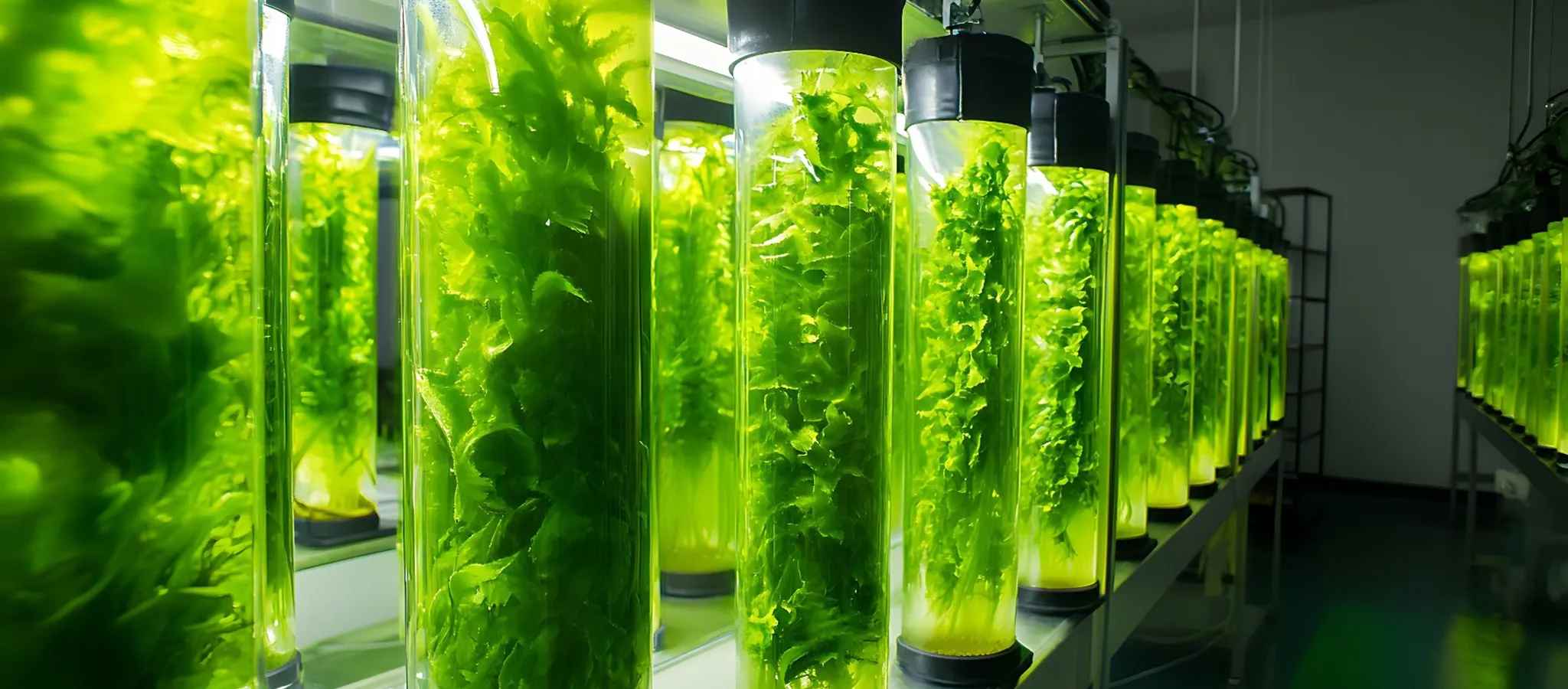
Sustainable Algae – Environmental Remediation Resource Recovery and Environmental Asset...
Alberta Oil Sands Remediation Transforming Legacy Environmental Liabilities into Environmental...

Airport Environmental Fee Frameworks Turning airport environmental obligations into a...

Sustainable Digital Infrastructure and Environmental Asset Creation The Challenge Artificial...

Viscon Credits and Environmental Credit Integrity Building Trust, Transparency and...